

This fun and colourful PowerPoint teaches your children about what a preposition is and how it is used in a sentence, with cute cats as a visual example. See if your children can work out the position of the cats as the PowerPoint progresses.
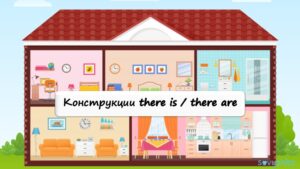
This fantastic presentation clearly explains how to structure sentences with There is/ There are. The bright colours and fantastic illustrations are great for keeping students engaged and helping them to practise their speaking skills.

This informative PowerPoint introduces children to the problem of air pollution and ways in which it is caused and how it can be reduced. It is a great way to start a whole class discussion or introduce the task of researching how different countries are dealing with air pollution.

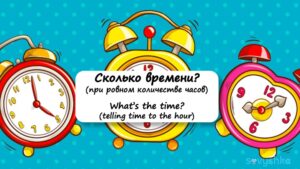
Use this fantastic PowerPoint to introduce the concept of telling time to the hour in English. The presentation includes a short quiz to assess students' comprehension of the concept of telling time.

This bright and colourful presentation explores the advantages of different types of holidays, including city breaks, camping, beach holidays and others. It also contains an exciting role-play activity, where students are asked to suggest a suitable type of holiday to the clients of a travel agency. A fun way practise English speaking skills!

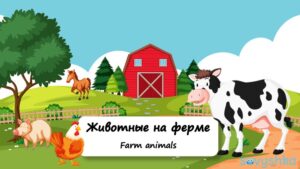
This fun farm-themed presentation is great for introducing children to some well-known farm animals including cows, horses, pigs, sheep, goats, rabbits, ducks and geese. The children will enjoy the game element trying to work out which animal is hiding behind the haystack.
'To be' is one of the most commonly used verbs in the English language, but it is an irregular verb and can be used in different ways. This informative PowerPoint presentation helps students understand how to use 'to be' and when to use ‘am’, 'is' or 'are.'

This fantastic presentation introduces children to a variety of book genres. Each slide features a different genre with a definition and key features. The presentation also includes extracts for the children to guess which type of book they originally came from.
