

Use this presentation as a fun and interactive way to reinforce the spelling of high frequency words. This PowerPoint is the perfect accompaniment to your English lessons and will help to keep your class interested and engaged.
This detailed PowerPoint will explain the difference between countable and uncountable nouns in a fun and interactive way. It also contains a number of activities to practise using both types of nouns in sentences.

This informative presentation clearly explains how to structure an opinion essay. It also provides a list of key words and sentence starters to help the children write their own opinion essays.

This excellent presentation is a great way to prepare your pupils for the oral part of the end of the year exam in English. Comparing two photographs in English is not an easy task, however the strategies and the key vocabulary included in this presentation will help your students describe and compare the images successfully.
This great PowerPoint contains a number of activities to develop your students’ speaking skills, including answering true or false questions and comparing and contrasting different information.

This engaging PowerPoint presentation is the perfect way to practise making polite requests in the context of household chores. The bright colours and fantastic illustrations are great for keeping students engaged and helping them to improve their speaking skills.
This fantastic presentation includes a series of short texts designed to develop children’s reading comprehension skills.

This excellent resource covers some of the key English words for the topic Food, with a different key word or phrase on each slide. Great for discussion prompts and role-play.
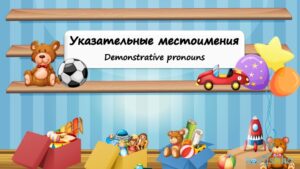
This fun toy-themed PowerPoint explains the difference between the singular and plural demonstrative pronouns. It challenges children to select the correct pronoun to complete the sentences about different toys on the shelf.
The type 2 conditional sentences are used to refer to an unlikely or hypothetical condition and its probable result. This excellent presentation clearly explains how to structure sentences when we talk about unreal situations.
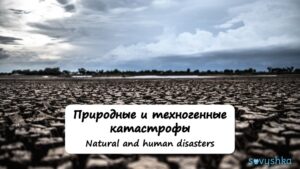
This informative PowerPoint looks at the difference between human and natural disasters. It gives examples of the types of natural disasters the children may have heard of such as earthquakes, volcanic eruptions, hurricanes and tsunamis. It then looks at specific disasters that have been caused by human action. Children are encouraged to think about the effects of such disasters on the world and how their actions may lessen the possibility of some of these disasters happening. The PowerPoint would make a very good starter for any topic about the environment.