Use this fantastic PowerPoint to learn how and when use the Simple Present tense. It also contains a number of activities to practise building positive sentences and general question in Present Simple.

This weather-themed PowerPoint focuses on modal verbs of probability – may, might and could. It also introduces the children to adverbs of probability (definitely, perhaps, probably) and provides plenty of opportunities to practise them in sentences.

This engaging presentation aims at revising vocabulary related to means of transport as well as analyses the pros and cons of using them.

With this fantastic PowerPoint, you can help children to build initial sound and letter recognition. Colourful illustrations make it easier for the children to link the sound to the letter and begin to recognise it in words.

This informative presentation introduces children to the modal verb ‘must’, which is used to give orders, warnings and advice. The slides focus on things we must and mustn’t do to look after the environment.

We can use reported speech to express orders, requests and advice. This engaging presentation clearly explains how to transform direct speech sentences into reported speech. It also provides plenty of sentence building exercises to practise new skills.

This excellent presentation is a great way to prepare your pupils for the oral part of the end of the year exam in English. It explores the role of fashion in today’s society; the way if influences our lifestyle as well as allows us to express our personality.
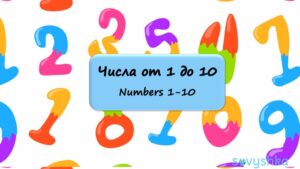
This PowerPoint is an excellent visual aid to engage children to recognise and count numbers 1 to 10. Matching numerals to a visual representation will also help to reinforce the relationship between numbers and counting.
There are many different ways a word can be changed to become a plural noun in English. This informative presentation clearly explains the rules of plural nouns and provides plenty of opportunities to practise them.
This informative presentation clearly explains how to structure a complaint letter. It also provides a list of key words and sentence starters to help the children write their own letters of complaint.